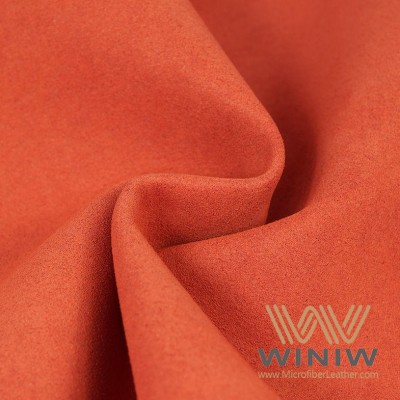
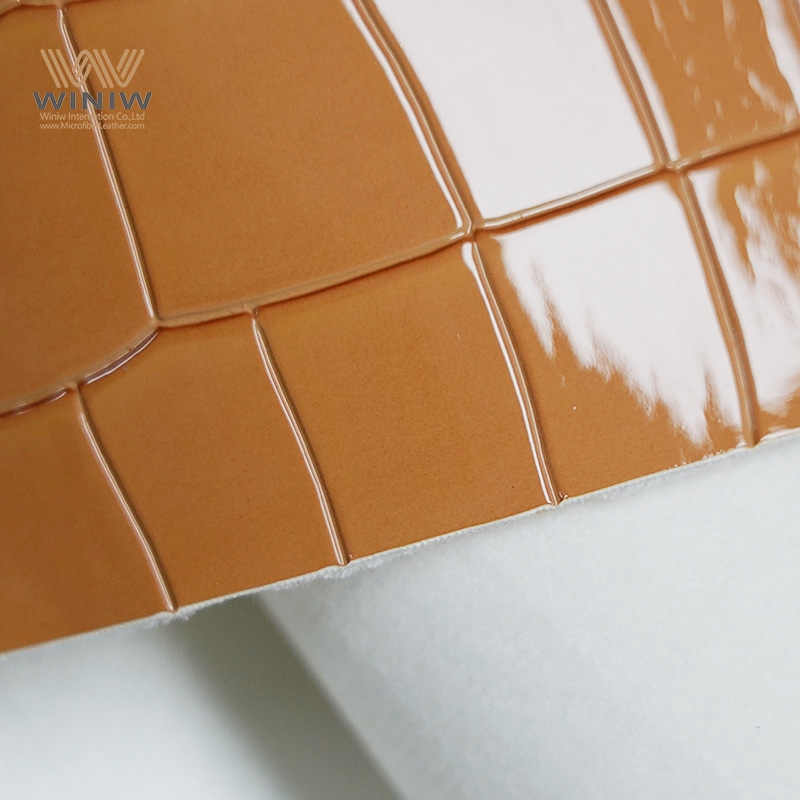
PU en tela Ofrece ventajas y desventajas prácticas para la vida diaria. Las personas valoran su durabilidad, resistencia al agua y fácil cuidado. Lo encuentran asequible y versátil en estilo. Sin embargo, algunos notan poca transpirabilidad y comodidad durante el calor. Muchos eligen PU en tela para sus artículos de diario porque equilibra precio y rendimiento.
El PU en tela es un material sintético. que imita el cuero, ofreciendo durabilidad y resistencia al agua.
Es asequible, lo que lo convierte en una opción popular para artículos de uso diario, como chaquetas, bolsos y muebles.
Cuero de PU requiere un mantenimiento mínimo, siendo suficiente una limpieza sencilla con un paño húmedo.
Si bien la tela de PU es elegante y versátil, puede carecer de transpirabilidad, lo que la hace menos cómoda en climas cálidos.
La vida útil del cuero PU suele ser de 3 a 5 años, lo que es más corto que el cuero genuino pero más largo que el PVC.
La tela de PU es una excelente opción para quienes buscan alternativas libres de crueldad animal al cuero animal.
Al elegir productos de PU, tenga en cuenta su uso previsto; son mejores para artículos que necesitan durabilidad y fácil cuidado.
El almacenamiento y el cuidado adecuados pueden prolongar la vida útil del cuero PU, ayudando a mantener su apariencia y funcionalidad.
PU en tela Se refiere a un material sintético creado recubriendo un textil base, como poliéster o microfibra, con una capa de poliuretano. Este proceso permite a los fabricantes producir materiales que se asemejan mucho al cuero genuino en apariencia y textura. El cuero PU destaca por su capacidad para ser grabado con patrones y coloreado en una amplia gama de tonos, lo que lo convierte en una opción popular para diseñadores que buscan versatilidad. A diferencia de otras opciones sintéticas, el PU cuero vegano Ofrece una alternativa rentable que mantiene un alto nivel de atractivo estético. El cuero de poliuretano proporciona un acabado suave y puede imitar el aspecto del cuero natural, mientras que cuero artificial Fabricado en PU, sigue siendo ligero y flexible.
La producción de PU en tela implica varios pasos precisos para garantizar la calidad y la durabilidad. La siguiente tabla describe los pasos. etapas principales del proceso de fabricación:
Paso | Descripción |
|---|---|
Mezcla y formación de prepolímeros | Los polioles y los isocianatos se combinan para formar un prepolímero, controlando la dureza y la elasticidad. |
Fundición y extrusión | Los métodos de conformación como la fundición o la extrusión determinan la calidad del producto final. |
Curado y posprocesamiento | Las técnicas de curado y los pasos de posprocesamiento mejoran el rendimiento y la precisión. |
Inspección y pruebas de calidad | Pruebas rigurosas garantizan que el tejido de PU cumpla con los estándares de diseño y rendimiento. |
Los fabricantes utilizan estos pasos para producir cuero PU, cuero vegano PU y cuero artificial para diversas aplicaciones. La posibilidad de estampar y colorear el PU durante la producción le otorga una ventaja sobre otros materiales sintéticos, haciéndolo apto para una amplia gama de productos.
El PU en tejidos se aplica en diversas industrias gracias a su adaptabilidad y rentabilidad. La siguiente tabla destaca dónde se aplica el PU. cuero y PU El cuero vegano es el más de uso común:
Industria | Tipo de aplicación |
|---|---|
Moda | Acabado textil |
Automotor | Acabado de cuero natural |
Equipo para actividades al aire libre | Producción de cuero sintético |
Deportes | Textiles inteligentes |
Cuidado de la salud | Textiles inteligentes |
Militar | Textiles inteligentes |
Artículos cotidianos fabricados con PU incluyen chaquetas, zapatos, bolsos, cinturones, asientos de coche y tapicería de muebles. El cuero vegano de PU atrae a consumidores que buscan alternativas libres de crueldad animal, mientras que el cuero artificial proporciona durabilidad a productos expuestos a un uso frecuente.
Las consideraciones de salud y seguridad juegan un papel crucial en el uso de PU en la ropa:
Directrices regulatorias Normas como REACH en Europa ayudan a minimizar los riesgos para la salud y el medio ambiente.
El cumplimiento de estándares como el Estándar Textil Orgánico Global (GOTS) garantiza una producción sostenible y segura.
El abastecimiento ético y el cumplimiento de las leyes laborales respaldan prácticas de fabricación justas.
El PU en tela continúa evolucionando, ofreciendo a fabricantes y consumidores una opción confiable para productos elegantes, asequibles y funcionales.
El tejido de PU destaca en la industria textil como una alternativa práctica tanto al cuero natural como al PVC. Fabricantes y consumidores suelen comparar estos materiales en función de su durabilidad, coste y rendimiento diario. Cada material ofrece ventajas y limitaciones únicas, por lo que la elección depende del uso previsto y las prioridades del usuario.
Durabilidad y longevidad
El cuero natural se ha ganado la reputación de ser excepcionalmente duradero. Resiste el desgaste a lo largo de los años, desarrollando una pátina que muchos usuarios encuentran atractiva. El tejido de PU, cuando se produce con altos estándares de calidad, ofrece una durabilidad que rivaliza con la del cuero genuino. Resiste el uso diario y resiste mejor las grietas que el PVC. Este, por otro lado, tiende a agrietarse o descascarillarse con el uso frecuente, especialmente en entornos con temperaturas fluctuantes.
Material | Durabilidad | Comparación de costos |
|---|---|---|
Tejido de PU | Más duradero que el PVC más económico | Generalmente entre un 30 y un 50 % menos que el cuero genuino |
Cuero natural | Mayor vida útil | Mayor costo |
CLORURO DE POLIVINILO | Menos duradero, puede agrietarse o pelarse. | Generalmente más barato que PU y cuero |
Costo y valor
El costo sigue siendo un factor importante para la mayoría de los compradores. El cuero genuino tiene un precio elevado debido a su origen natural y a los requisitos de procesamiento. cuero de imitación, como tela de PU de alta calidad, cuesta entre un 30 y un 50% menos que el cuero naturalEsta diferencia de precio permite a los consumidores acceder a productos elegantes y funcionales sin una gran inversión. El PVC suele ofrecer el precio más bajo, pero su menor durabilidad puede resultar en mayores costos de reemplazo con el tiempo.
La tela de PU proporciona una Solución rentable en comparación con el PVC.
El cuero sintético de primera calidad iguala la durabilidad del cuero genuino a un precio más bajo.
Durante un período de cinco a siete años, el tejido de PU ofrece un costo por uso económico debido a las necesidades mínimas de mantenimiento.
Mantenimiento y uso diario
El cuero natural requiere un acondicionamiento regular y una limpieza cuidadosa para mantener su apariencia y flexibilidad. El tejido de PU, en cambio, solo necesita una limpieza sencilla para eliminar derrames o suciedad. Esta característica de fácil cuidado resulta atractiva para personas y familias ocupadas. El PVC también se limpia fácilmente, pero su tendencia a degradarse más rápido implica que los usuarios podrían necesitar reemplazar los artículos con mayor frecuencia.
Estética y aplicación
Los diseñadores valoran el tejido de PU por su capacidad para imitar el aspecto y el tacto del cuero natural. Acepta una amplia gama de colores y estampados, lo que lo hace ideal para la moda, la automoción y... hogar Aplicaciones de decoración. El cuero natural ofrece una apariencia clásica y lujosa, mientras que el PVC a menudo carece de la textura y el acabado refinados de los otros dos materiales.
Consejo: Para quienes buscan un equilibrio entre estilo, durabilidad y precio asequible, el tejido de PU es una excelente opción. Cubre el espacio entre la sensación premium del cuero y el precio asequible del PVC.
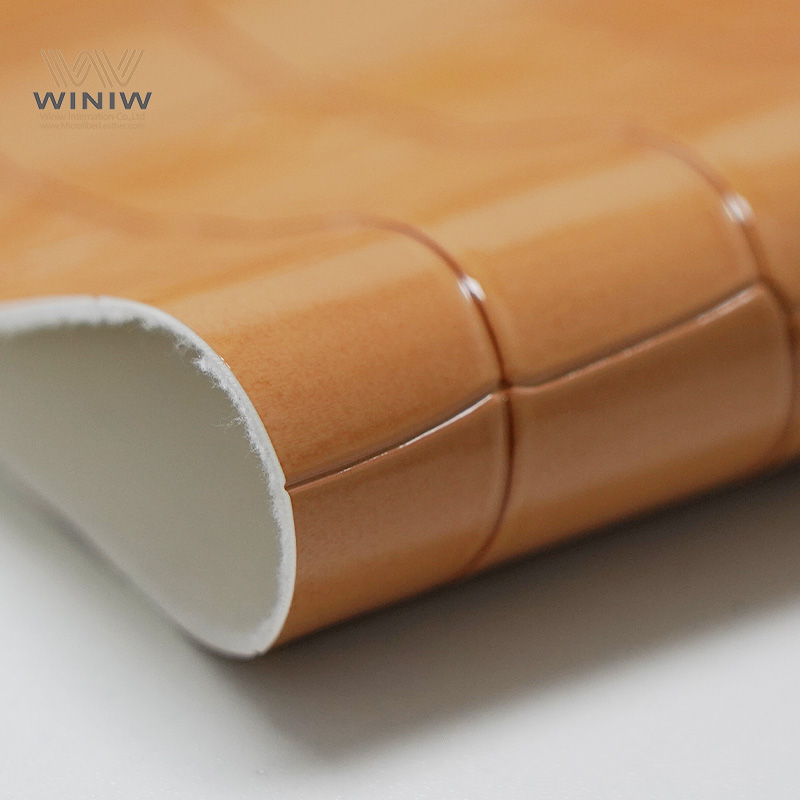
El cuero PU demuestra una impresionante resistencia al desgaste en productos de uso diario. Los fabricantes diseñan el PU para soportar la fricción, el estiramiento y la flexión frecuentes. Los zapatos, chaquetas y bolsos de cuero vegano PU mantienen su apariencia incluso después de un uso repetido. El cuero de poliuretano resiste arañazos y rozaduras mejor que muchos materiales naturales. El cuero artificial, especialmente el PU de alta calidad, resiste bien la abrasión. Esta durabilidad convierte al PU en la opción preferida para artículos expuestos a un manejo brusco o a la intemperie.
Los consumidores valoran la larga vida útil del cuero PU. El material conserva su forma y color con el tiempo, lo que reduce la necesidad de reemplazos frecuentes. El cuero vegano de PU ofrece una alternativa confiable al cuero genuino, con menos signos de agrietamiento o desprendimiento. Los productos de cuero artificial fabricados con PU suelen durar varios años con un mantenimiento mínimo. Las ventajas del PU en tela incluyen su capacidad para ofrecer un rendimiento constante durante todo su ciclo de vida. Las prácticas sostenibles en la producción de PU prolongan aún más su longevidad, apoyando los objetivos de sostenibilidad de fabricantes y usuarios.
El cuero sintético ofrece una excelente resistencia al agua, protegiendo las pertenencias de derrames accidentales y humedad. Bolsos, muebles y asientos de coche fabricados con cuero sintético vegano repelen líquidos, previniendo manchas y daños. El cuero de poliuretano forma una barrera que impide que el agua penetre en la tela. Las superficies de cuero sintético permiten limpiar los derrames rápidamente, preservando la apariencia y la funcionalidad del artículo. Esta característica resulta especialmente útil en hogares con niños o mascotas, donde la suciedad es frecuente.
Consejo: La resistencia al agua del cuero PU ayuda a mantener una apariencia limpia y fresca, incluso en entornos de mucho tráfico.
El cuero PU destaca por su fácil limpieza. Los usuarios pueden mantener el cuero PU vegano siguiendo los métodos recomendados por el fabricante:
Lavado a máquinaRevise la etiqueta de cuidado. Use un ciclo suave con agua fría y detergente suave. Evite el uso de lejía y productos químicos agresivos.
Lavado a mano: Llene un recipiente con agua fría y detergente suave. Lave con cuidado, enjuague bien y deje secar al aire.
Limpieza en seco: No apto para todos los tejidos de poliuretano. Algunos disolventes pueden dañar el material.
Estos sencillos pasos hacen del PU una opción práctica para personas ocupadas. Las superficies de cuero artificial no requieren acondicionadores ni tratamientos especiales, lo que ahorra tiempo y esfuerzo.
El PU en tela resiste las manchas de comida, bebida y suciedad diaria. El cuero PU no absorbe líquidos fácilmente, lo que permite limpiar la suciedad antes de que se fije. El cuero vegano PU mantiene su color y acabado, incluso después de la exposición a sustancias domésticas comunes. Los productos de cuero artificial hechos de PU ofrecen una protección fiable contra derrames accidentales. Las opciones de PU sostenibles reducen aún más la necesidad de productos químicos de limpieza agresivos, lo que fomenta hábitos ecológicos.
Nota: La limpieza regular y la atención inmediata a los derrames prolongan la vida útil del cuero PU, manteniendo los productos como nuevos.
Los consumidores suelen elegir el cuero sintético por su atractivo precio. Los fabricantes pueden producirlo a un costo menor que el cuero genuino, lo que lo hace accesible para una amplia gama de productos. Los minoristas trasladan este ahorro a los clientes, permitiéndoles comprar artículos elegantes y duraderos sin un precio elevado. La siguiente tabla compara el precio promedio de venta al público del cuero sintético. cuero de imitación, piel sintética de PVC y microfibra:
Material | Precio medio (USD por metro cuadrado) |
|---|---|
Cuero sintético de PU | 10–15 |
Cuero sintético de PVC | 8–12 |
Microfibra | 20+ |
Estos datos muestran que el cuero sintético se sitúa entre el PVC y la microfibra en cuanto a precio. Los compradores obtienen un equilibrio entre calidad y precio. El cuero de poliuretano ofrece un aspecto premium a una fracción del precio de las alternativas naturales. Muchas marcas utilizan cuero sintético vegano para crear productos de moda que atraen a compradores con presupuesto ajustado. El cuero artificial de PU ofrece valor a largo plazo, ya que es resistente al desgaste y requiere un mantenimiento mínimo. La rentabilidad del PU en telas respalda su popularidad tanto en la moda como en artículos para el hogar.
Consejo: Los compradores pueden actualizar sus guardarropas o redecorar sus hogares con productos de cuero sintético sin gastar de más.
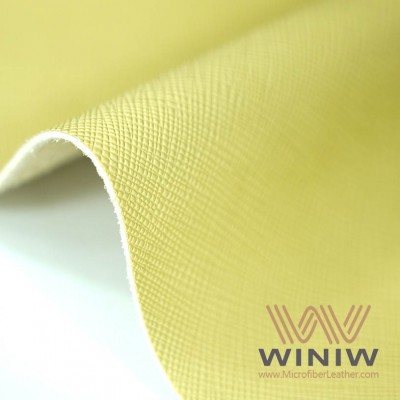
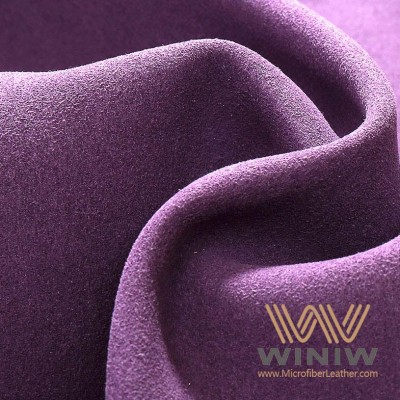
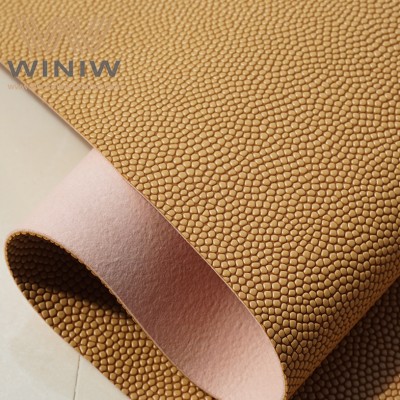
Los diseñadores aprecian la versatilidad del cuero sintético. Este material admite una amplia gama de colores, texturas y acabados. Los fabricantes pueden replicar patrones animales, vetas naturales o diseños creativos. La siguiente tabla destaca... variedad disponible En el mercado actual:
Tipo de textura | Descripción |
|---|---|
Patrones de animales | Incluye diseños como cocodrilo y serpiente. |
Texturas naturales | Presenta texturas que se asemejan a materiales naturales. |
Diseños creativos | Ofrece opciones únicas como acabados de lichi, piel de oveja, tejido, piedra y espejo. |
Personalización del color | Admite colores estándar y personalizados, lo que garantiza la consistencia entre lotes. |
Acabados superficiales | Las opciones incluyen acabados mate, brillo suave y ligeramente brillante. |
Esta flexibilidad permite a las marcas ofrecer cuero vegano de PU en estilos clásicos o modernos. Los consumidores pueden encontrar productos que se adaptan a su gusto personal, desde colores llamativos hasta texturas sutiles. El cuero artificial de PU se adapta a las tendencias de temporada y a las preferencias de los diseñadores.
El cuero sintético cumple múltiples funciones en la vida diaria. Su durabilidad y atractivo estético lo convierten en una excelente opción tanto para productos de moda como para el hogar. Las aplicaciones más comunes incluyen:
Ropa: Chaquetas, faldas, pantalones y accesorios se benefician de la suavidad y durabilidad De cuero vegano sintético. El material imita el cuero genuino, pero es impermeable y flexible.
Tejidos técnicos: Los equipos para actividades al aire libre, el equipamiento deportivo y la ropa de protección utilizan PU para lograr una mayor resistencia y resistencia al agua.
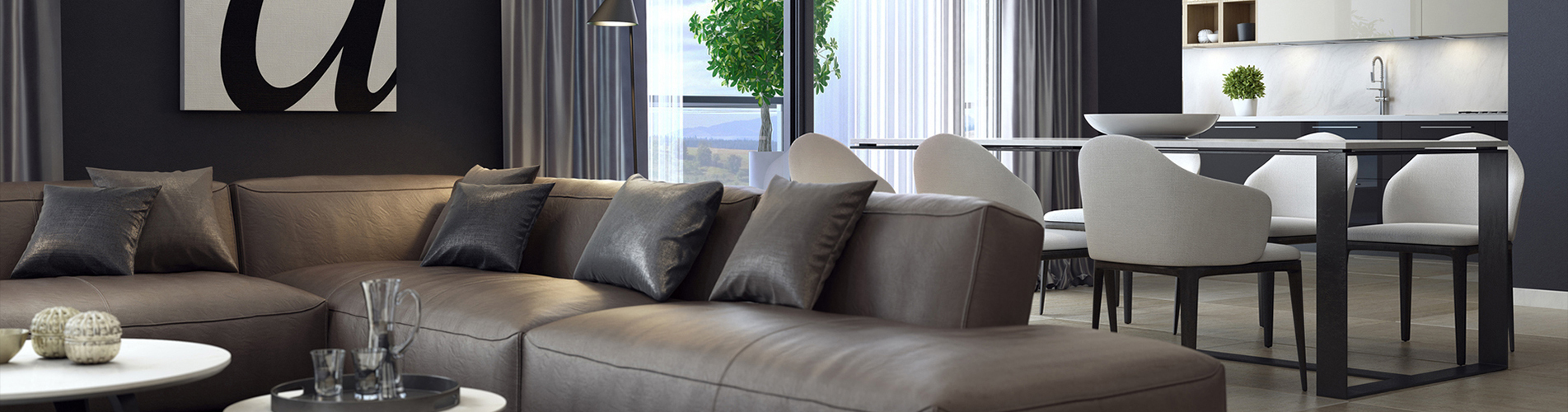
Mobiliario para el hogar: Sofás, sillas, cojines y artículos decorativos cuentan con PU por su atractivo visual y responsabilidad ambiental.
Material de revestimiento: Las prendas de alta gama a menudo utilizan PU como revestimiento debido a su textura suave y rentabilidad.
Los fabricantes confían en el poliuretano en sus tejidos para satisfacer las diversas necesidades de los consumidores. La adaptabilidad del material garantiza su relevancia en mercados cambiantes. Los productos de cuero artificial elaborados con poliuretano ofrecen un rendimiento fiable tanto en entornos informales como formales.
Nota: La versatilidad del cuero sintético permite a los diseñadores innovar, mientras que los consumidores disfrutan de una amplia selección de productos elegantes y prácticos.
El cuero de PU a menudo carece de La transpirabilidad natural del cuero genuino. El revestimiento de poliuretano crea una barrera que limita el flujo de aire a través del tejido. Como resultado, el aire no puede circular libremente, lo que puede atrapar el calor y la humedad en la piel. Muchos usuarios notan este problema al usar ropa de cuero sintético o sentarse en muebles tapizados con este material durante largos periodos. La limitación del flujo de aire puede hacer que estos productos resulten menos cómodos, especialmente en ambientes cálidos o húmedos.
La menor transpirabilidad del cuero PU afecta directamente la comodidad. Cuando el aire no puede circular a través del material, el sudor y el calor corporal se acumulan con mayor rapidez. Esto puede provocar una sensación pegajosa o húmeda, especialmente durante la actividad física o en climas cálidos. Quienes usan chaquetas o zapatos de cuero PU pueden experimentar incomodidad después de un uso prolongado. Si bien el PU en tela ofrece muchas ventajas, la falta de transpirabilidad sigue siendo una de sus desventajas más notables para el uso diario.
El impacto ambiental del PU La producción de cuero presenta aspectos tanto positivos como negativos. Los fabricantes han desarrollado tejidos de poliuretano curado por UV para reducir el consumo de energía y la huella de carbono. Este proceso utiliza luz ultravioleta para un curado rápido, lo que también resulta en menos compuestos orgánicos volátiles (COV) y una mejor calidad del aire durante la aplicación. Sin embargo, la producción de PU aún depende del uso de sustancias químicas que pueden representar riesgos para los trabajadores y el medio ambiente. Estas sustancias químicas requieren una manipulación y eliminación cuidadosas para evitar daños. La durabilidad del poliuretano curado por UV ayuda a reducir los residuos con el tiempo, pero el impacto ambiental general depende de prácticas de fabricación responsables.
La eliminación del cuero PU presenta otro desafío ambiental. A diferencia de los materiales naturales, el PU no se biodegrada fácilmente. Los productos de PU usados, como bolsos o muebles de cuero artificial, suelen terminar en vertederos, donde persisten durante muchos años. Las opciones de reciclaje para el PU siguen siendo limitadas, y la incineración puede liberar sustancias nocivas al aire. Como resultado, el final de la vida útil de los productos de cuero PU contribuye a los problemas ambientales. Las empresas y los consumidores que buscan soluciones sostenibles deben considerar el ciclo de vida completo del PU, desde su producción hasta su eliminación.
Nota: Innovaciones recientes, como la Herramienta CQ-ConfiguratorAyuda a los fabricantes a diseñar productos de poliuretano más sostenibles. Esta herramienta proporciona evaluaciones de sostenibilidad en tiempo real, lo que permite a las empresas comparar opciones de materiales y alinearse con sus objetivos ambientales.
El cuero PU ofrece buena durabilidad, pero su vida útil es menor que la del cuero genuino. Con el tiempo, el PU puede agrietarse, especialmente en zonas que se doblan o flexionan con frecuencia. La capa superficial puede empezar a desprenderse o agrietarse tras varios años de uso regular. La siguiente tabla compara la vida útil típica del cuero PU con la de otros materiales comunes:
Material | Esperanza de vida |
|---|---|
Piel genuina | Décadas con el cuidado adecuado |
Cuero de PU | |
CLORURO DE POLIVINILO | Generalmente menos duradero |
El cuero artificial de PU ofrece una opción económica, pero los usuarios deben esperar señales de desgaste después de tres a cinco años. El agrietamiento y el descascarillado son desventajas clave del cuero de PU, especialmente en artículos expuestos al uso diario. Si bien el PU sigue siendo una opción popular por su asequibilidad y estilo, los consumidores deben sopesar estas desventajas y sus ventajas al elegir productos para uso a largo plazo.
El cuero de PU suele sentirse suave y consistente al tacto. Muchos usuarios notan que la superficie carece de la calidez y suavidad naturales del cuero genuino. El recubrimiento de poliuretano crea una textura uniforme, que a veces puede parecer artificial o plástica. Quienes usan ropa o muebles tapizados con cuero de PU pueden notar una ligera rigidez, especialmente cuando el material es nuevo.
Algunas personas con piel sensible experimentan una leve irritación tras el contacto prolongado con el tejido de PU. La superficie sintética no absorbe la humedad, lo que puede provocar una sensación pegajosa en condiciones de calor o humedad. A diferencia del cuero natural, el PU no se adapta tan fácilmente a los contornos del cuerpo. Esta diferencia en la sensación de la piel puede afectar la comodidad para quienes prefieren un tacto más natural.
Consejo: Las personas con alergias o piel sensible deberían probar los productos de PU antes de comprarlos. Una prueba breve puede ayudar a determinar si el material se adapta a sus necesidades.
El cuero PU responde rápidamente a los cambios de temperatura. El material tiende a enfriarse al exponerse a bajas temperaturas y puede calentarse excesivamente bajo la luz solar directa o en ambientes calurosos. A diferencia del cuero genuino, el PU no regula bien la temperatura. Esta propiedad afecta la comodidad de los usuarios tanto en interiores como en exteriores.
El revestimiento sintético retiene el calor, lo que puede causar molestias durante los meses de verano. En invierno, las superficies de PU pueden resultar frías al tacto. Quienes usan muebles o ropa de PU suelen notar estos cambios de temperatura. La falta de transpirabilidad y la deficiente regulación térmica hacen que el PU sea menos adecuado para artículos que requieren comodidad en cualquier época del año.
Condición | Respuesta de cuero PU | Experiencia de usuario |
|---|---|---|
Clima caluroso | Atrapa el calor | Se siente pegajoso y sudoroso. |
Clima frío | Se siente frío al tacto. | Incómodo, rígido |
Luz solar directa | Se calienta rápidamente | Riesgo de sobrecalentamiento |
Nota: Elegir productos de PU con revestimiento o aislamiento adicional puede mejorar la comodidad en temperaturas extremas.
El cuero sintético es vulnerable a las altas temperaturas. La capa de poliuretano puede deformarse, fundirse o decolorarse al exponerse a fuentes de calor directo. Los artículos que se dejan en coches calientes o cerca de radiadores suelen sufrir daños. El material puede deformarse, formar burbujas o desprenderse de la tela base.
Los fabricantes recomiendan mantener los productos de PU alejados del calor intenso. La exposición prolongada acorta la vida útil del cuero de PU y reduce su atractivo visual. Se recomienda evitar planchar las telas de PU o secarlas en secadoras. Su sensibilidad al calor limita el uso del PU en entornos donde es difícil controlar la temperatura.
Los riesgos comunes incluyen:
Derretimiento o deformación por la luz solar directa
Decoloración después del contacto con objetos calientes.
Peladura o agrietamiento debido al calentamiento y enfriamiento repetidos
Alerta: Guarde siempre los artículos de PU en lugares frescos y a la sombra. Protéjalos del calor para conservar su durabilidad y apariencia.
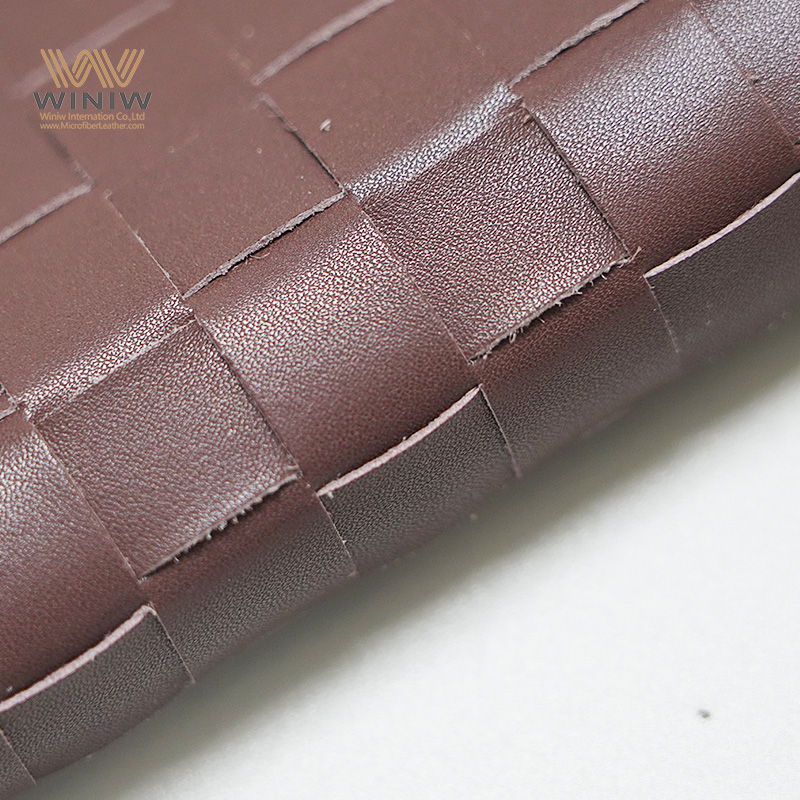
Los consumidores suelen elegir cuero sintético y cuero vegano sintético para productos que requieren durabilidad, estilo y fácil mantenimiento. Estos materiales son ideales para entornos de alto tráfico y para artículos expuestos a manipulación frecuente. Muebles, asientos de coche, bolsos y chaquetas se benefician de la resistencia al agua y la protección contra la abrasión que ofrece el cuero sintético. En la industria de la moda, el cuero vegano sintético ofrece una alternativa sin crueldad animal para quienes buscan opciones elegantes y respetuosas con los animales. El cuero vegano sintético también se utiliza en artículos para actividades al aire libre y deportes gracias a su ligereza y resistencia a la humedad.
Una comparación de factores para muebles y ropa. Ayuda a aclarar las mejores aplicaciones:
Factor | Consideraciones sobre los muebles | Consideraciones sobre la vestimenta |
|---|---|---|
Durabilidad | Una mayor durabilidad es crucial | Se priorizan la comodidad y el atractivo estético |
Resistencia a la abrasión | Esencial para aplicaciones de alto desgaste | Menos crítico, pero aún importante |
Requisitos de mantenimiento | Puede requerir métodos de limpieza más robustos | A menudo necesita lavarse a máquina. |
Caso de uso previsto | Diseñado para uso a largo plazo | Centrado en el estilo y el ajuste |
El cuero sintético y el cuero sintético vegano pueden no ser adecuados para todas las situaciones. Se recomienda evitar estos materiales para prendas que requieran alta transpirabilidad o que estén expuestas a temperaturas extremas. Por ejemplo, la ropa de verano o los productos expuestos a la luz solar directa durante largos periodos pueden no ser adecuados. Las personas con piel sensible pueden preferir fibras naturales para mayor comodidad. Al buscar alternativas sostenibles, algunos optan por materiales que se biodegradan con mayor facilidad o tienen un menor impacto ambiental.
Un cuidado adecuado prolonga la vida útil del cuero sintético y del cuero vegano sintético. La mayoría de los productos solo necesitan un paño suave y jabón neutro para limpiarlos. A diferencia del cuero genuino, estos materiales no requieren acondicionamiento. Se recomienda evitar productos químicos agresivos y herramientas abrasivas, ya que pueden dañar la superficie. Para la ropa, lavar a máquina con un ciclo suave suele ser suficiente, pero siempre revise primero la etiqueta de cuidado. Una rápida atención a los derrames previene manchas y mantiene las prendas como nuevas.
El almacenamiento correcto previene el agrietamiento y prolonga la apariencia del cuero sintético y el cuero vegano sintético. La siguiente tabla describe Métodos de almacenamiento efectivos para diferentes artículos.:
Método de almacenamiento | Condiciones |
|---|---|
Almacenamiento general | 19–25 °C con alrededor del 50% de humedad relativa |
Ropa | Se guardan en perchas, cajones o cajas, envueltos en Tyvek® o papel tisú sin ácido. |
Accesorios | Almacenados en cajones para minimizar el contacto. |
Artículos más grandes | Colocados en estantes abiertos y protegidos por film de polietileno. |
Consejo: guarde los productos de cuero vegano de PU lejos de la luz solar directa y de fuentes de calor para evitar que se deformen o decoloren.
El cuero genuino ofrece un aspecto clásico y una larga vida útil. Sin embargo, requiere un acondicionamiento regular y puede absorber la humedad, lo que provoca grietas con el tiempo. El cuero sintético resiste el agua, los daños causados por los rayos UV y la abrasión.Lo que lo hace más adecuado para exteriores. Las bolsas de golf de cuero sintético son ligeras y mantienen su forma, mientras que el cuero genuino puede volverse pesado y deformarse si no se cuida adecuadamente. Para quienes buscan alternativas libres de crueldad animal, el cuero sintético vegano ofrece una apariencia similar sin productos de origen animal.
Los materiales de PVC presentan otra opción para los consumidores. Las alfombrillas de PVC recubiertas de PU combinan la durabilidad del PVC Con la comodidad de una suave capa de PU, se mejora la experiencia del usuario. Si bien el PVC genera inquietudes ambientales, los avances en los recubrimientos de PU han mejorado su reciclabilidad y reducido el olor. El cuero vegano de PU generalmente ofrece una sensación más suave y un mejor agarre que el PVC estándar. Al considerar alternativas sostenibles, los usuarios deben sopesar el impacto ambiental y la comodidad de cada material.
Nota: La elección entre cuero sintético, cuero genuino y PVC depende del uso previsto, las preferencias de cuidado y los valores personales con respecto a la sostenibilidad y el bienestar animal.
El tejido de PU ofrece ventajas notables como su precio asequible, resistencia al agua y fácil cuidado. Sin embargo, los usuarios deben considerar desventajas como el agrietamiento y la poca transpirabilidad. Los expertos sugieren cuero de microfibra Para neceseres de uso diario, ya que duran más y se limpian fácilmente. El cuero sintético es ideal para uso ocasional y para quienes buscan un presupuesto ajustado. Es importante evaluar la comodidad y durabilidad antes de elegir un tejido de PU. Elegir el material adecuado garantiza satisfacción en el día a día. 😊
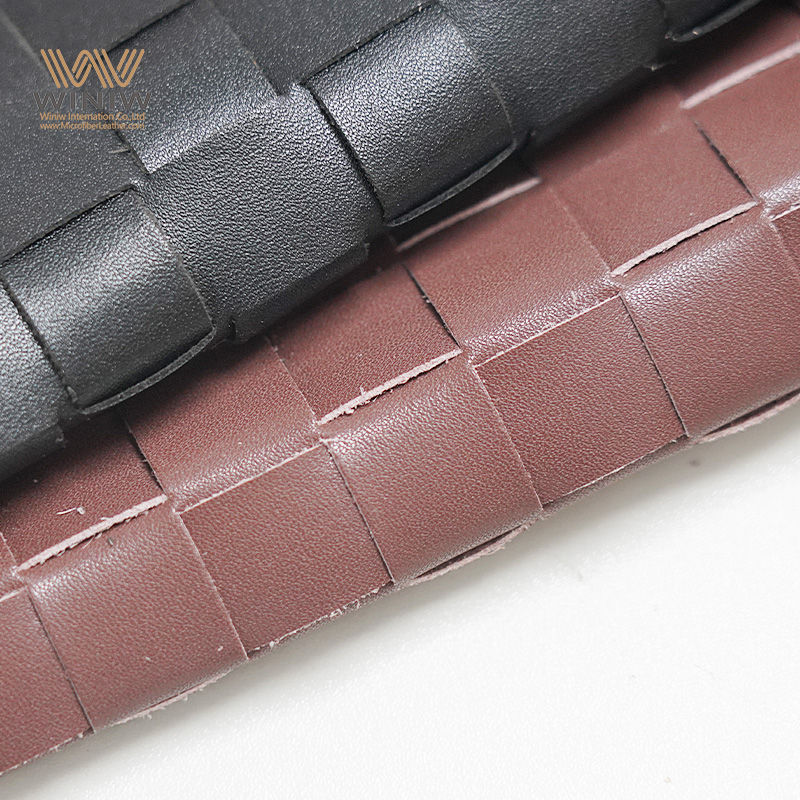
PU significa poliuretanoLos fabricantes utilizan este polímero sintético para recubrir telas, creando un material que parece y se siente como el cuero, pero que ofrece un cuidado más fácil y un menor costo.
La tela de PU es muy resistente al agua. El revestimiento de poliuretano bloquea la mayoría de los líquidos, lo que la hace ideal para bolsos, chaquetas y muebles que necesitan protección contra derrames o lluvia.
El cuero sintético suele durar de tres a cinco años con un uso regular. Un cuidado adecuado, como una limpieza suave y evitar el calor, puede prolongar su vida útil.
La mayoría de las personas no experimentan alergias a la tela de PU. Sin embargo, las personas con piel sensible pueden notar una leve irritación tras un contacto prolongado. Se recomienda probar primero en una zona pequeña.
Limpie la tela de PU con un paño húmedo y jabón suave. Evite productos químicos agresivos o herramientas abrasivas. Para la ropa, revise la etiqueta de cuidado antes de lavarla a máquina.
El tejido de PU ofrece algunas ventajas ecológicas, como un menor impacto en los animales. Sin embargo, no se biodegrada fácilmente y puede liberar sustancias químicas durante su producción o eliminación.
Característica | Tejido de PU | Tejido de PVC |
|---|---|---|
Sentir | Más suave, flexible | Más rígido, menos blando |
Durabilidad | Más duradero | Propenso a agrietarse |
Costo | Un poco más alto | Más bajo |
Business Phone : +8618150976625
E-mail : Hello@MicrofiberLeather.com
Mobile & WhatsApp : +8618150976625
Dirección : W6-302 Shimao Manhadun Shuanglong Road, Jinjiang Quanzhou Fujian China



© Derechos de autor 2022 Winiw International Co., Ltd.Reservados todos los derechos.
XML | Política de privacidad |